Active wildfire season
For all information regarding warnings, restrictions, and road closures, please visit the SOPFEU website and Québec 511.
Mr. Sansflamme's Little Guide to Enjoying the Territory Without Playing with Danger
We want to hear you! Fill out the WOW survey and get a chance to win a $100 prepaid card + a regional gift basket worth $100
Mr. Sansflamme's Little Guide to Enjoying the Territory Without Playing with Danger
These days, Eeyou Istchee Baie-James is dealing with active forest fires: some roads closing intermittently and a high fire danger index across much of the territory. Meanwhile, in southern Quebec, it's raining heavily. Two regions, two completely different weather realities, at the same time. No wonder it creates confusion about what's really happening here.
That's exactly why we asked Mr. Sansflamme, our ambassador (a bit fictional, but very serious) of forest common sense, to explain things simply: why fire is part of life in the boreal forest, why the current situation is still out of the ordinary, and most importantly, what everyone can do to avoid accidentally starting one.
Forest fire: a phenomenon that has always existed
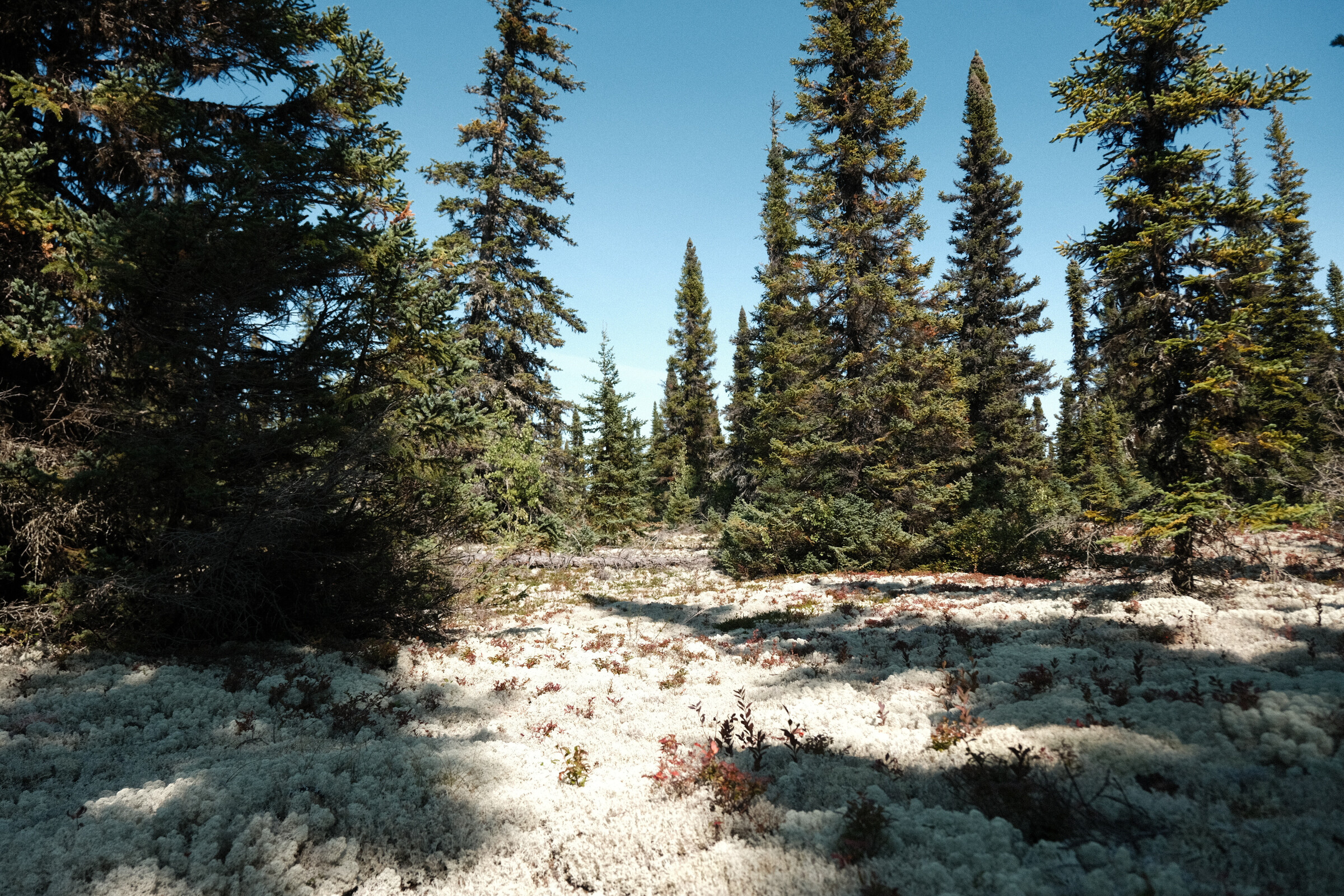
Good news to start: fire isn't an intruder in the boreal forest, quite the opposite. According to Natural Resources Canada, the boreal forest developed alongside fire: it's one of the main drivers of its renewal, just like sunlight or rain. A fire releases nutrients trapped in the forest floor litter, opens up the canopy to let light in, and allows certain species, jack pine for example, to get the heat they need to release their seeds and regenerate.
Some researchers go even further: when fires are systematically prevented from passing through, fuel (dead wood, aging trees) builds up year after year. As a result, when a fire eventually does start, it's often more intense and harder to control than if it had occurred earlier, as part of a more natural cycle.
So where's the problem, if fire is natural and even useful? It's in the rhythm. A forest needs time to regenerate between two fires. When fire events become too frequent or too intense, that recovery time disappears: wildlife loses its habitat, soils become depleted, and the communities living on the territory, ours, face very real risks: evacuations, road closures, degraded air quality, and disrupted access to care and services.
That's a bit what we're experiencing this season in Eeyou Istchee Baie-James: particularly dry conditions on our part of the territory, while other regions of Quebec are getting heavy rain. The climate simply isn't the same everywhere in the province at the same time, and that's what explains the gap between what we're living here and what's being reported elsewhere.
Where do most forest fires come from?
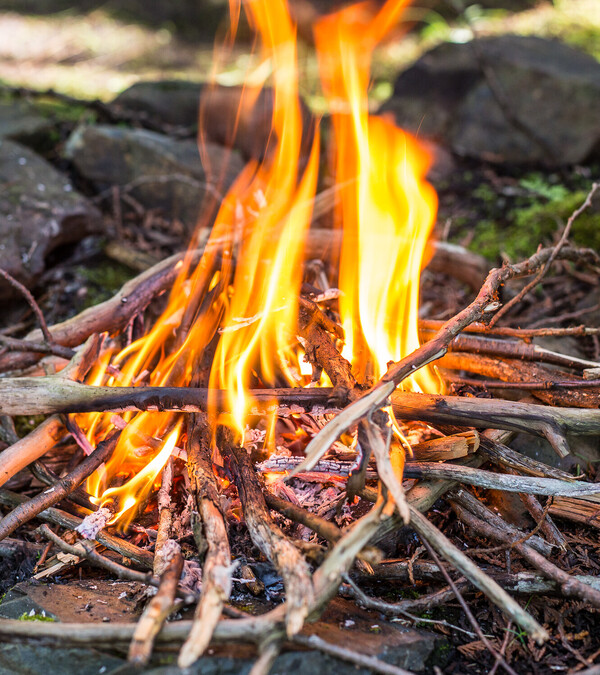
This is where Mr. Sansflamme likes to bring up a fact that often surprises people: most forest fires each year aren't sparked by lightning, but by human actions, often ordinary actions, done without any bad intention. A cigarette butt not properly put out, an unattended campfire, ashes thought to be cold, fireworks on a windy evening.
Spring and early summer are particularly high-risk periods, even when it isn't very hot: on the ground, last year's dried grass and dead leaves are extremely dry and catch fire easily. Sometimes it only takes a few hours of sun and a bit of wind for the danger level to jump.
Good news: since human activity is behind the vast majority of cases, that also means we have real collective power to act. Here are the habits Mr. Sansflamme suggests you adopt.
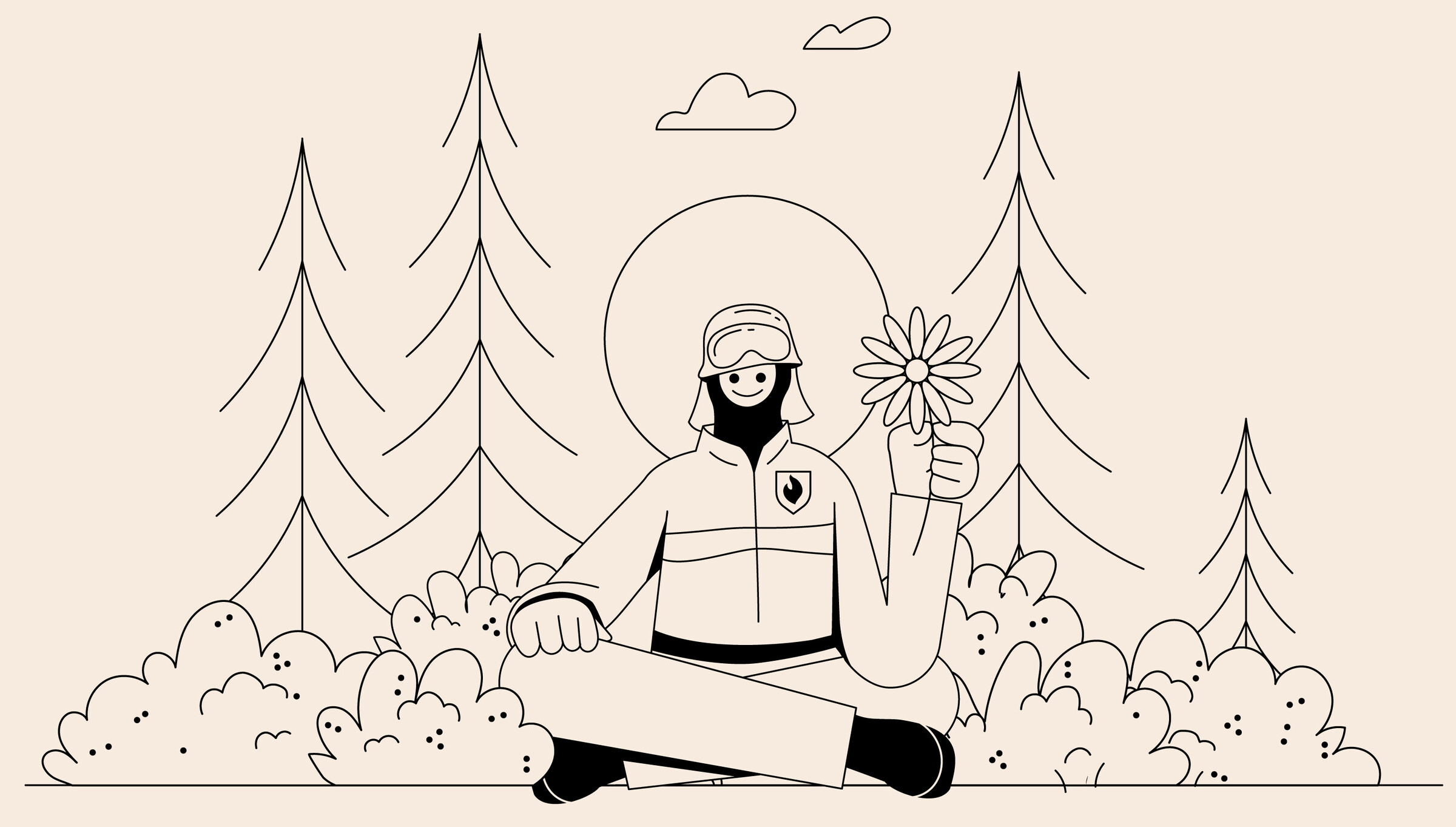
How to prevent forest fires: Mr. Sansflamme's tips
Cigarettes
- Put the butt out completely, throw it in a container designed for that purpose, never in a wooded area or out a car window, and never leave it unattended.
Campfires
- Check whether open fires are permitted, and refrain if the danger level is high to extreme.
- Max 1 m x 1 m, on cleared ground (sand, gravel, dirt), sheltered from wind (under 20 km/h).
- Never leave it unattended. To put it out: water and sand, stir, repeat until it's truly cold.
Ashes
- They can stay hot for up to 7 days. Empty them with a metal shovel into a metal container with a lid, outdoors.
Fireworks
- Check municipal regulations, stay away from wooded areas, keep water nearby.
- Prohibited wherever open fires are prohibited.
Waste
- Composting, green waste collection, or the ecocentre instead of burning. If burning is permitted, follow the same precautions as for a campfire.
ATVs
- Never park on dry brush, keep a fire extinguisher (1 kg, class ABC) on board, stay on maintained trails when danger is high. (Pay attention to your maneuvers.)
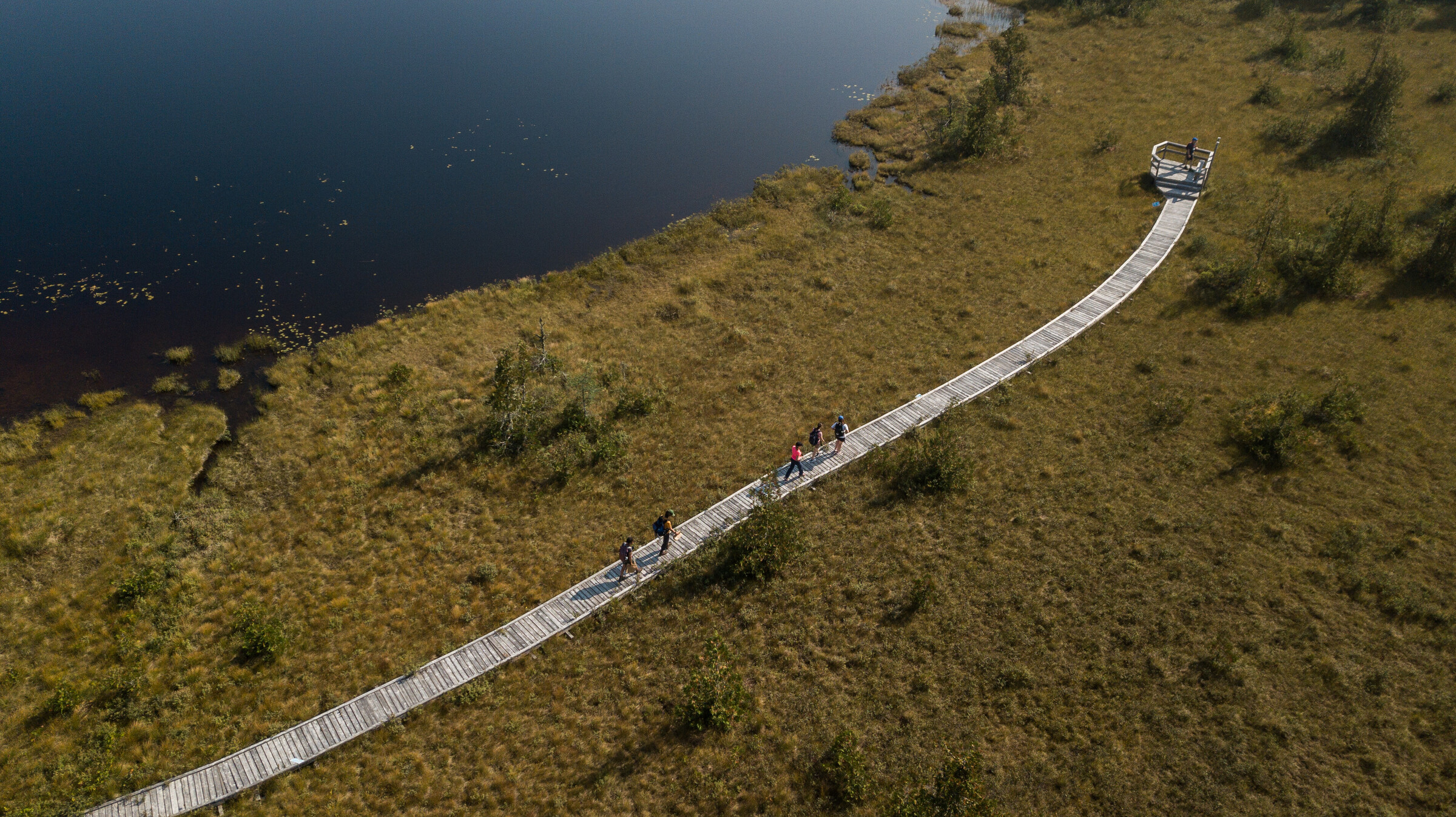
One territory, a shared responsibility
Eeyou Istchee Baie-James is a vast, wild territory, and that's precisely what makes it so rich for those who come to visit. That vastness rests on a balance, though: natural cycles, of which fire is one, wildlife and plant life that have adapted to it over millennia, and local Cree and Jamesian communities who live here year-round.
Sustainable development of our tourism destination isn't limited to recycling or eco-friendly accommodations. It also comes down to how we actually behave on the ground: the actions we take near a campfire, on an ATV trail, with a cigarette by the roadside. These small actions, added together, determine whether the territory will still be able to offer what we love finding here, in ten years as much as in a hundred.
Mr. Sansflamme isn't asking you to be afraid of fire, or to believe it has no place here. He's simply asking you to think twice before lighting one, and to check conditions before hitting the road, because the situation changes fast.
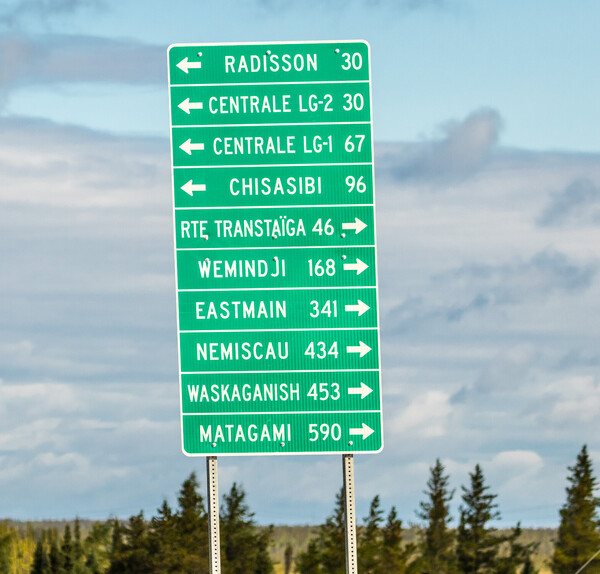
Before heading out on the territory:
- Check Québec 511 for road conditions
- Check the SOPFEU website for the fire danger index and current restrictions
- The Eeyou Istchee Baie-James Regional Government's information line (819-739-2030, ext. 20221) is available every day from 8 a.m. to 8 p.m.
Sources
- SOPFEU — Forest fire prevention and suppression
- Government of Quebec — Amendment to the open-air fire ban
- Natural Resources Canada — Why forests need fire, insects and disease
- Natural Resources Canada — Fire ecology
- Radio-Canada — Le feu est destructeur, mais aussi régénérateur de forêts
- Parks Canada — The role of fire
News
5 Must-Do Hikes in Eeyou Istchee Baie-James
Thursday, June 25, 2026
Eeyou Istchee Baie-James Through the Lens of Photographer J-A Dupont
Monday, April 13, 2026
5 Good Reasons to Visit the Eeyou Istchee Baie-James Region This Summer
Tuesday, March 24, 2026
Stop Making These 5 Winter Mistakes.
Monday, January 26, 2026
A Few Gift Ideas That Are Anything But Boring...
Thursday, November 27, 2025
Eeyou Istchee Baie-James Among the World's Best Destinations According to National Geographic
Wednesday, November 5, 2025